Knowing When To DIY And When To Call A Pro
Home repairs are a part of everyday life. From fixing a leaking tap
to handling electrical or plumbing issues, homeowners often face one
important decision: do it yourself or call a professional. Knowing
when to DIY and when to call a pro can save you money, prevent
accidents, and protect your home from costly mistakes. While DIY
repairs can be satisfying, not every problem should be handled
alone. This guide will help you make the right choice with
confidence.
Understanding The Difference Between DIY And Professional Work
Before deciding, it’s important to understand what DIY really
involves and when expert help is necessary.
1. What Does DIY Mean?
DIY (Do It Yourself) refers to basic repairs or maintenance tasks
you can safely complete using simple tools and instructions.
Examples:
- Replacing a faucet washer
- Unclogging a drain
- Painting walls
- Fixing loose cabinet handles
Knowing when to DIY and when to call a pro starts with being
honest about your skills and limits.
2. Simple Repairs And Maintenance Tasks
DIY is suitable when the task is:
- Low risk
- Easy to understand
- Clearly explained in guides or manuals
Good DIY jobs include:
- Changing light fixtures (non-wiring)
- Sealing small leaks
- Replacing showerheads
- Cleaning gutters
These situations show how knowing when to DIY and when to call a
pro can help you save money.
3.Why DIY Can Be Helpful
DIY projects offer several advantages:
- Saves labor costs
- Builds confidence and skills
- Quick fixes without waiting for professionals
However, knowing when to DIY and when to call a pro is essential
to avoid turning a small problem into a big one.
4. Complex Or Dangerous Repairs
Some jobs should never be handled alone due to safety risks.
Call a pro when dealing with:
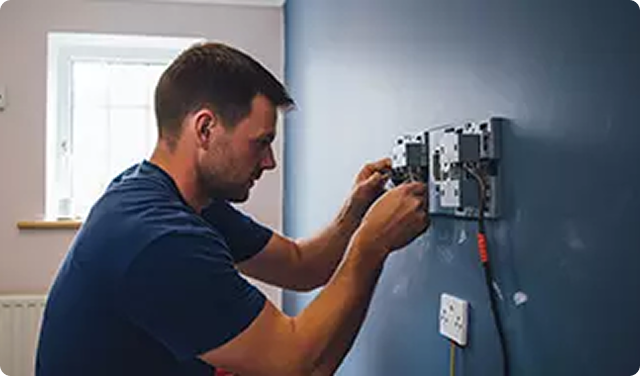
- Electrical wiring
- Gas line repairs
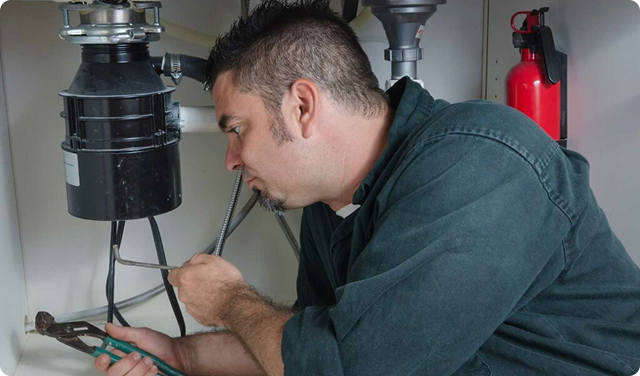
- Major plumbing leaks
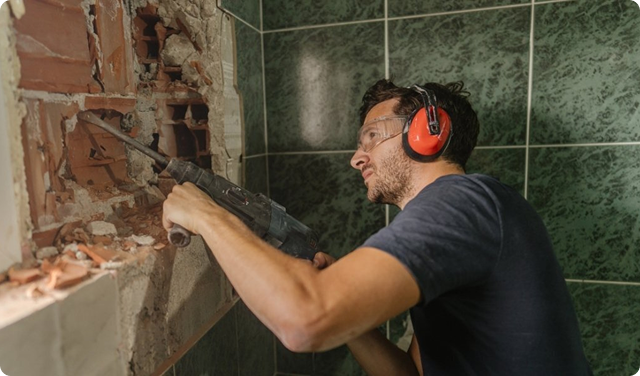
- Structural damage
In these cases, knowing when to DIY and when to call a pro
protects both you and your home.
5. Warning Signs To Watch For
Stop DIY and call a professional if:
- The problem keeps returning
- You don’t understand the issue
- You lack proper tools
- Repairs violate local safety codes
These warning signs are key to knowing when to DIY and when to
call a pro wisely.
6. Is Saving Money Worth The Risk?
DIY may look cheaper, but mistakes can cost more later.
Professional help is worth it when:
- Mistakes could cause injury
- Repairs may affect home value
- Insurance may require licensed work
Balancing cost and safety is a major part of knowing when to DIY
and when to call a pro.
Before beginning, ask:
7. Ask Yourself These Questions
- Do I fully understand the problem?
- Can I fix it safely?
- What happens if I make a mistake?
If you’re unsure, knowing when to DIY and when to call a pro means
choosing professional help without hesitation